
November 17, 2026
Around one in three people over 65 fall each year, and exercise is the most effective single way to prevent it. A physio explains which exercises work, how much you
Read More »
November 17, 2026
Osteopenia and osteoporosis are defined by your DXA T-score, but your fracture risk depends on more than one number. A physio explains what the scan means and what the research
Read More »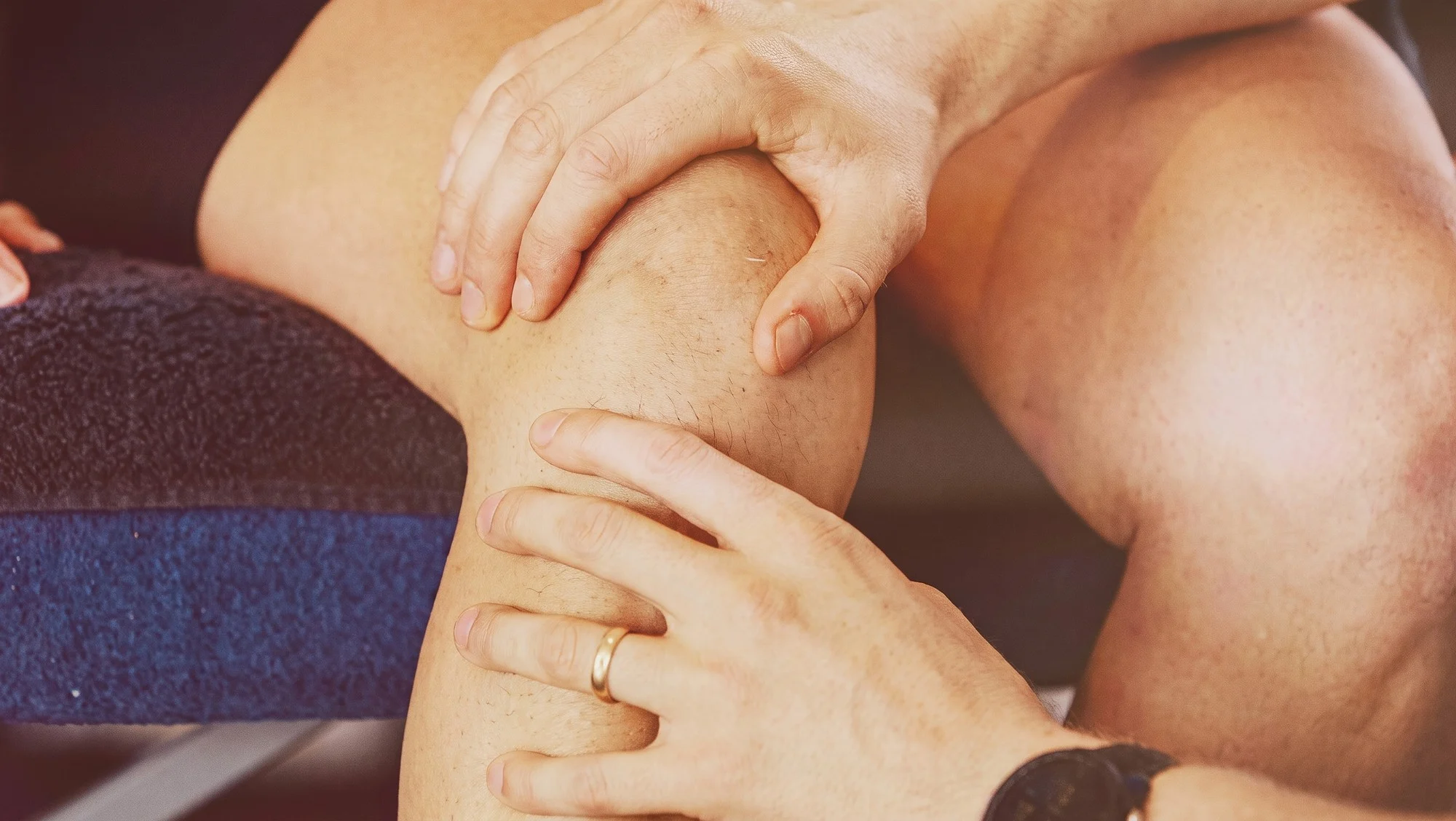
November 17, 2026
Pain around or behind the kneecap on stairs, squats, hills or after sitting is patellofemoral pain. A physio explains what the international consensus recommends, why hip and knee strengthening work
Read More »
November 17, 2026
Achilles tendinopathy is one of the most common running injuries, and one of the most mismanaged. A physio explains what the guidelines recommend, why heavy calf loading beats rest, and
Read More »
November 17, 2026
Pain on the outside of the hip, worse lying on your side or climbing stairs, is usually gluteal tendinopathy rather than simple bursitis. A physio explains what the LEAP trial
Read More »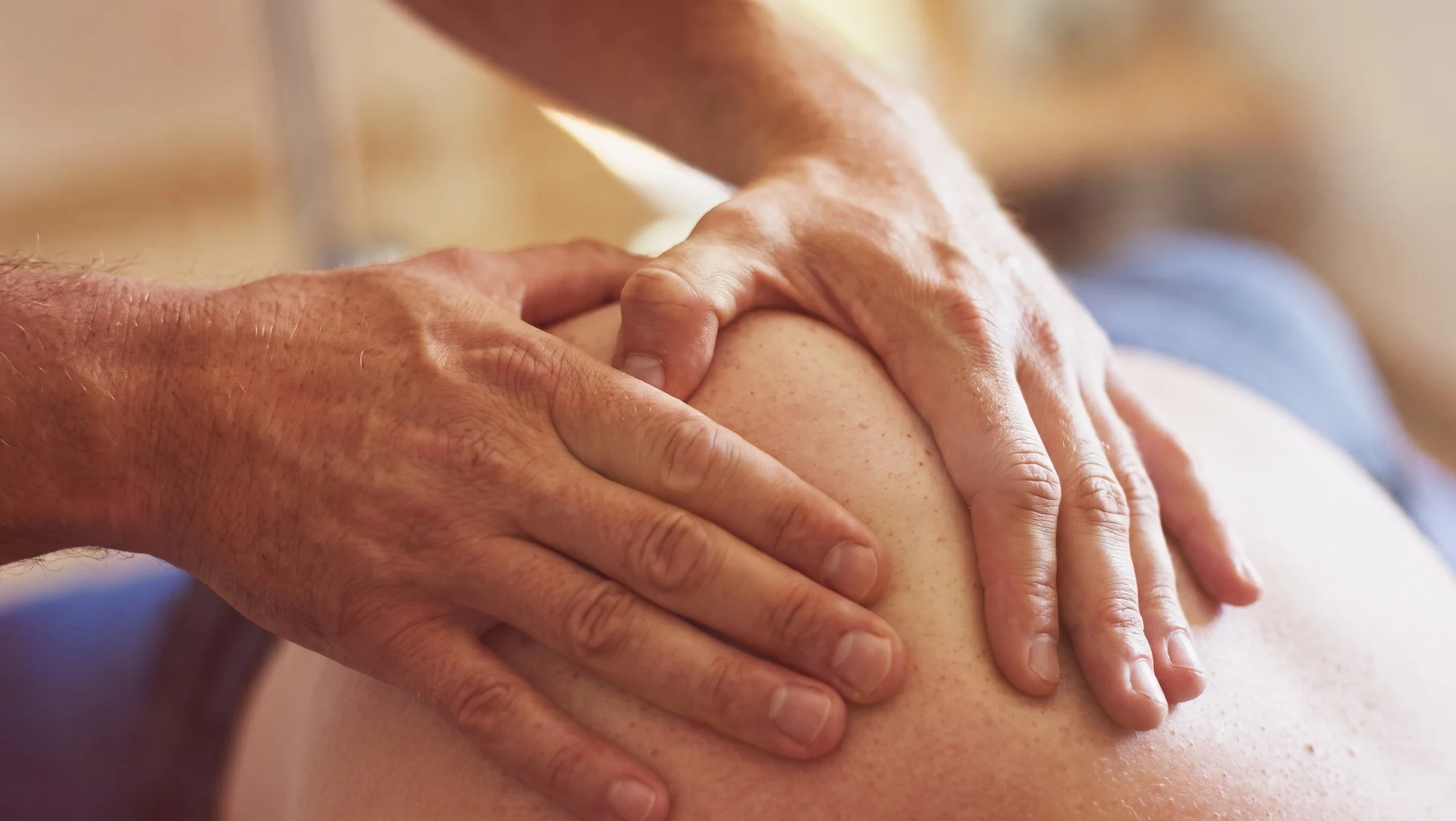
November 17, 2026
A rotator cuff tear on your scan doesn’t automatically mean surgery — but some tears do need a surgeon quickly. A musculoskeletal physio explains how to tell the difference, what
Read More »
November 17, 2026
Most sciatica gets better without surgery — but some common treatments don’t help at all. A musculoskeletal physio walks through what the guidelines and trials actually say, how long recovery
Read More »
August 25, 2026
The GLP-1 receptor agonist medications have changed obesity treatment. The weight loss they produce is substantial, sustained while treatment continues, and comes with genuine cardiovascular and metabolic benefits demonstrated in
Read More »
August 25, 2026
Someone with a stubborn tendon problem eventually arrives at a decision point. They have tried rest, they have tried anti-inflammatories, and they are now being offered something that costs several
Read More »
August 25, 2026
Dry needling is one of the few treatments in physiotherapy where the patient can feel something specific happen. The muscle twitches — an involuntary, unmistakable contraction — and then it
Read More »